18 October 2026
 Thursday, 24th September 2026
 Hilton Abu Dhabi, Yas Island, UAE

Event Date
Thursday, 24th September 2026
Event Location
Hilton Abu Dhabi, Yas Island, UAE
24 June 2025
Primary Keywords: sustainable logistics, green supply chain, transport emissions reduction
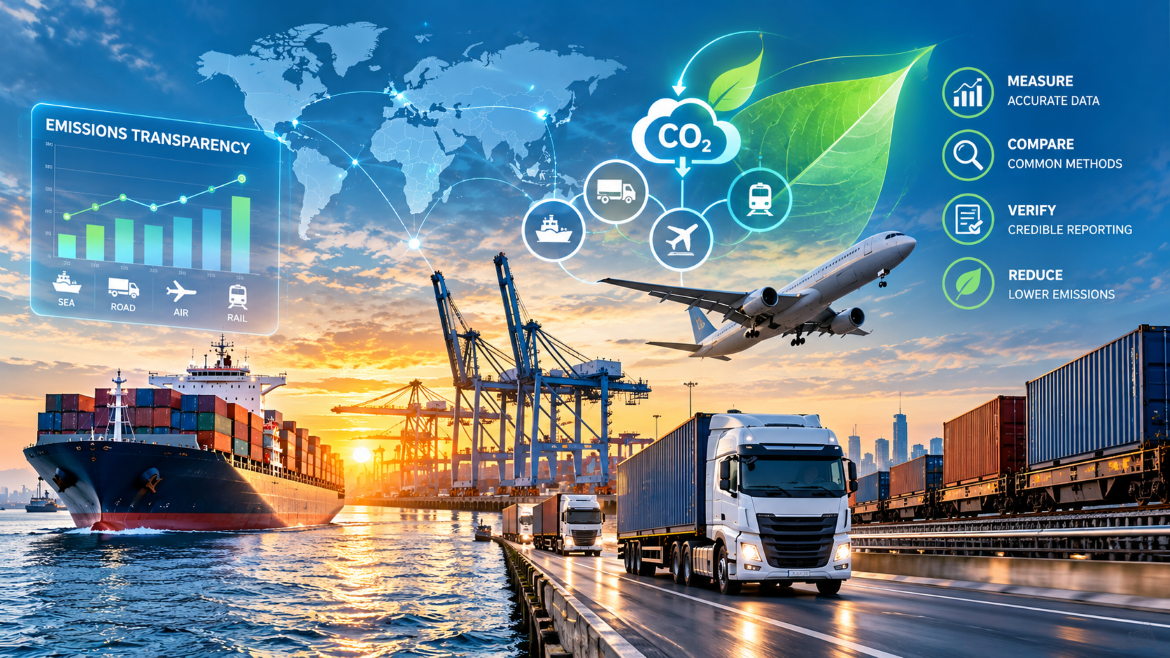
The climate crisis has become the defining issue of our time — and logistics is at the heart of the solution.
Long seen as one of the most emissions-intensive sectors, the logistics and transport industry is now undergoing a remarkable transformation. From electrified fleets to AI-powered route planning and sustainable fuels, innovation is rewriting the rules of logistics — not in the future, but right now.
This wave of change is more than technological; it’s strategic, operational, and reputational. And at the Transport and Climate Change Conference 2025 (TMS TACCC), industry leaders will come together to showcase how they're reshaping the global supply chain for a more sustainable world.
Let’s explore some of the breakthroughs driving the green logistics revolution — and why your organisation should be paying attention.
Let’s not mince words — the logistics and transport sectors are under intense scrutiny. According to the International Transport Forum, transport accounts for nearly a quarter of global energy-related CO₂ emissions, with maritime and logistics contributing a growing share, with maritime transport alone contributing a significant slice. While industries like tech and energy have been on the sustainability radar for years, logistics is now front and centre.
What’s driving this shift? The answer lies in a potent combination of regulatory tightening and climate urgency.
From the European Union’s Fit for 55 package, which imposes carbon pricing on shipping, to IMO’s decarbonisation strategy aiming to reach net-zero by 2050, the regulatory tide is rising fast. Even more recently, ESG reporting frameworks have begun casting a wide net over transport operators, suppliers and partners. The message is crystal clear: adapt or get left behind.
Transport is responsible for nearly 30% of global carbon emissions, with freight and logistics contributing a sizable portion. According to the International Energy Agency (IEA), CO₂ emissions from freight transport have been steadily rising, despite efficiency gains in other sectors.
For logistics companies, this represents not just a climate concern, but a business risk. Rising fuel costs, tightening regulations, climate-driven disruptions, and shifting customer expectations are all putting pressure on logistics providers to rethink their carbon footprint.
Sustainable logistics refers to the integration of environmentally and socially responsible practices throughout the supply chain. It’s no longer a niche — it’s becoming the industry standard.
From emissions tracking to packaging optimisation and carbon offsetting, companies are redesigning operations to reduce environmental impact while maintaining cost-efficiency and service quality.
And the innovations enabling this shift are nothing short of extraordinary.
Electric vehicles (EVs) are leading the charge in reducing emissions from last-mile and mid-mile delivery.
Major logistics players like DHL, UPS, and FedEx have already deployed thousands of electric delivery vans, while regional players are retrofitting their fleets to meet growing demands for low-carbon transport.
Why it matters: EVs not only reduce tailpipe emissions to zero, but also lower maintenance and energy costs over time, especially when paired with renewable energy charging infrastructure.
One of the most effective — and accessible — ways to reduce transport emissions is through smart route optimisation.
Logistics software powered by AI and machine learning is enabling companies to:
Case in point:
Maersk’s AI-driven platform reduced their fuel consumption across key routes by 10–15%, simply by optimising shipping speeds and adjusting routes based on weather and cargo weight.
These optimisations not only shrink the carbon footprint but also cut operating costs and delivery times — a win-win for logistics providers and customers.
Perhaps most importantly, attending TMS TACCC 2025 is about staying competitive.
Corporate clients across industries are now embedding Scope 3 emissions tracking into their procurement processes. That means your emissions profile may be the reason you win or lose business.
Moreover, aligning your operations with international sustainability targets is no longer a “nice to have”. It’s a business imperative.
This is where TMS TACCC 2025 becomes indispensable. The conference will explore how logistics companies — big and small — can set credible sustainability targets, measure performance, and communicate progress in ways that resonate with both clients and investors.
While electrification is a game-changer for short-haul operations, long-haul and maritime logistics demand low-carbon alternative fuels.
This includes:
At TMS TACCC 2025, several sessions will unpack the viability, infrastructure readiness, and lifecycle emissions of these fuels — providing clarity on what’s feasible today, and what’s coming next.
You can’t manage what you don’t measure.
Companies are now investing in carbon accounting platforms that track emissions across modes, partners, and lanes. These tools provide:
Leading tools include Searoutes, Pledge, EcoTransIT, and BigMile — all helping logistics firms meet ESG reporting requirements and improve supply chain decision-making.
Beyond vehicles and fuel, logistics hubs themselves are undergoing green upgrades:
Such infrastructure improvements lower a facility’s carbon footprint while contributing to long-term cost savings and compliance with green building standards like LEED and BREEAM.
With so much innovation unfolding — and regulatory shifts accelerating — logistics professionals can’t afford to operate in silos. The Transport and Climate Change Conference 2025 offers a rare opportunity to:
Whether you're just beginning your journey toward decarbonisation or already leading the charge, this event will provide the insights, connections, and momentum needed to accelerate your sustainability strategy.
The road to a sustainable future isn’t paved alone. Join hundreds of logistics professionals and innovators at TMS TACCC 2025 and become part of the movement that’s redefining logistics in the climate age.
From emissions to innovation — the logistics revolution is already underway. Be there to lead it.