18 October 2026
 Thursday, 24th September 2026
 Hilton Abu Dhabi, Yas Island, UAE
Event Date
Thursday, 24th September 2026
Event Location
Hilton Abu Dhabi, Yas Island, UAE

25 May 2026
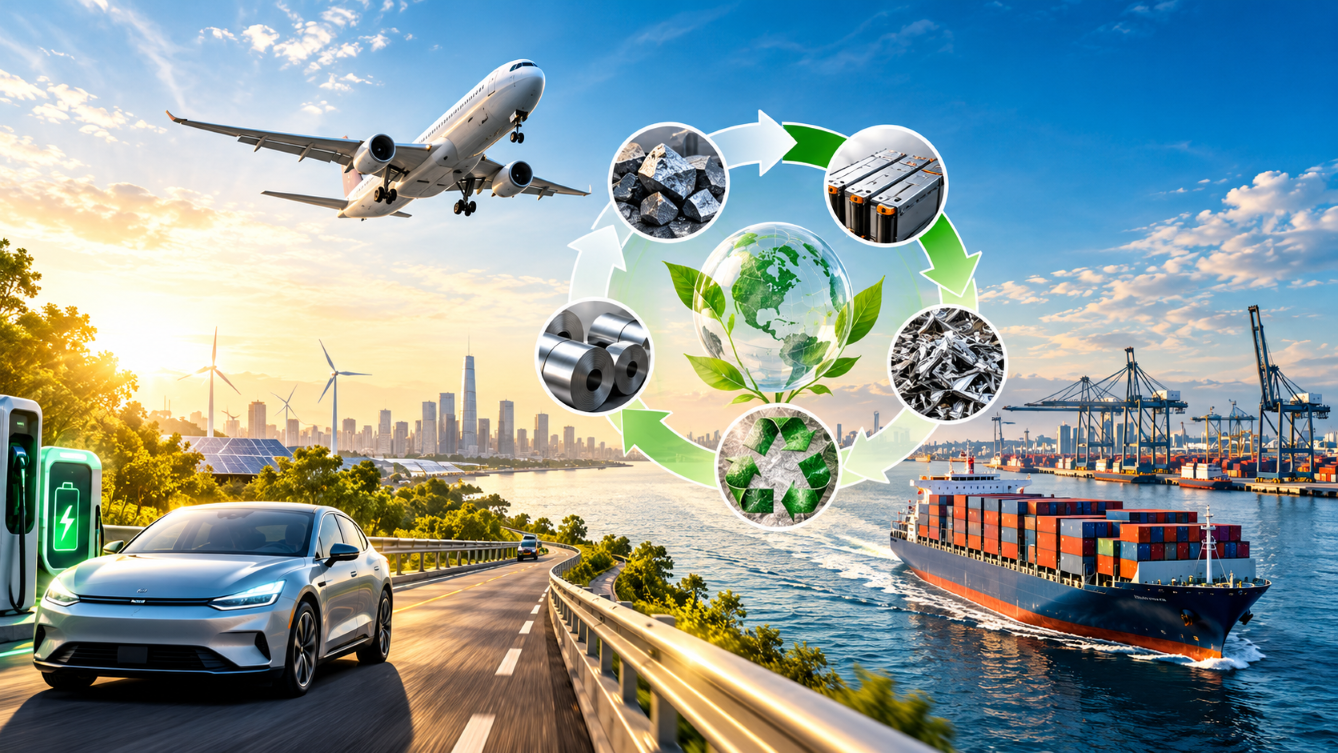
The global transport sector is entering a decisive phase where climate ambition is rapidly shifting toward implementation. As governments, regulators, and industries intensify their focus on decarbonisation, transport remains one of the most critical sectors in the global emissions landscape.
With increasing pressure to align with the 1.5°C climate pathway, the next decade will determine whether the sector can successfully transition toward net zero by 2050 or face widening structural and economic challenges.
Transport’s Role in the Global Emissions Challenge
Transport continues to be a major contributor to global greenhouse gas emissions, reflecting its deep dependence on fossil fuels and the scale of global mobility and trade.
These figures highlight the urgency of accelerating structural change across fuels, infrastructure, operations, and policy frameworks.
The Shrinking Carbon Window
The pathway to net zero by 2050 is becoming increasingly narrow. Scientific and policy consensus indicates that global emissions must peak before 2030 to remain aligned with the 1.5°C target.
However, current trajectories suggest that policy alignment and implementation remain insufficient to deliver the required pace of reduction.
Key challenges include:
The result is a shrinking carbon window, where delayed action significantly increases future cost, complexity, and disruption.
What a Net Zero Pathway Requires
Achieving net zero in transport will require a coordinated and accelerated transformation across multiple dimensions:
No single solution will be sufficient. A multi-pathway approach will be essential to decarbonise hard-to-abate sectors such as shipping, aviation, and heavy freight.
Transport Decarbonisation in Focus
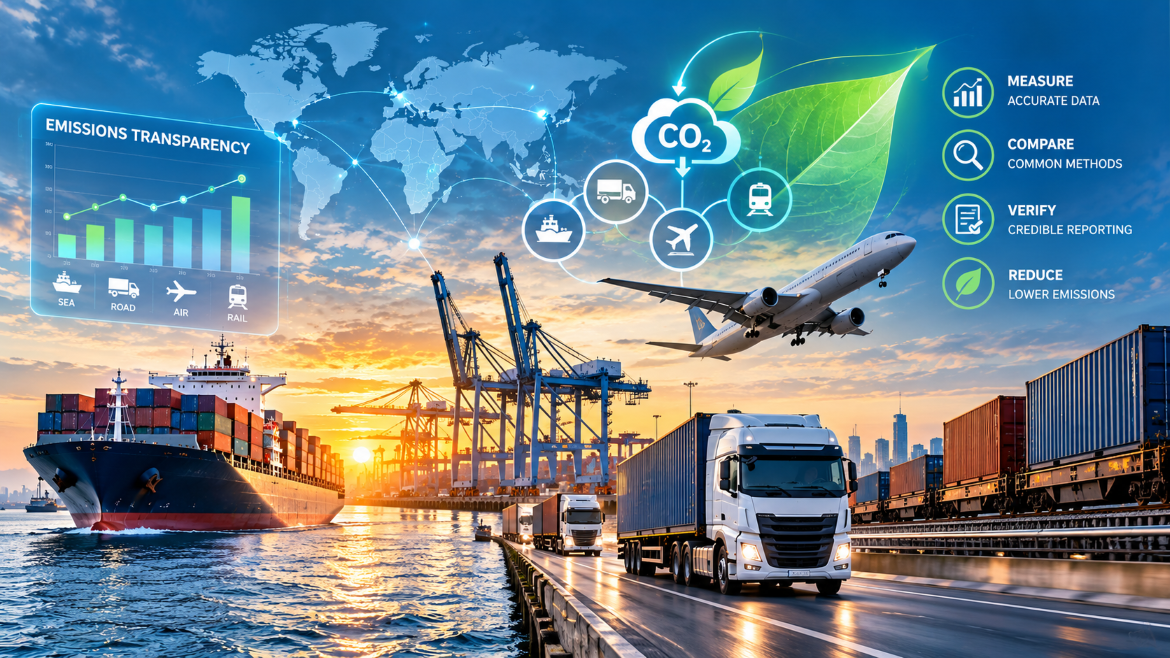
Transport accounts for a significant share of global emissions growth, making it a central focus of climate policy and investment strategies.
This breakdown underscores the importance of differentiated solutions across modes, ranging from electrification in road transport to fuel innovation in aviation and shipping.
From Ambition to Action
The transition to net zero transport is no longer a long-term aspiration; it is a near-term operational and investment challenge. Electrification, alternative fuels, digital optimisation, and infrastructure transformation must scale rapidly to close the emissions gap.
At the same time, policy frameworks, carbon pricing mechanisms, and financial structures must evolve to support large-scale deployment and de-risk investment decisions.
The Road Ahead
The coming decade will define the trajectory of global transport for the next half-century. Success will depend on the ability of governments, industry leaders, and investors to align ambition with implementation at scale.
The transition is not only about reducing emissions; it is about reshaping the foundations of global trade, energy, and mobility systems.
Conclusion
The race to net zero is no longer theoretical. It is active, urgent, and increasingly constrained by time.
As the transport sector moves deeper into this transformation phase, coordinated global action will be essential to ensure that ambition translates into measurable impact.
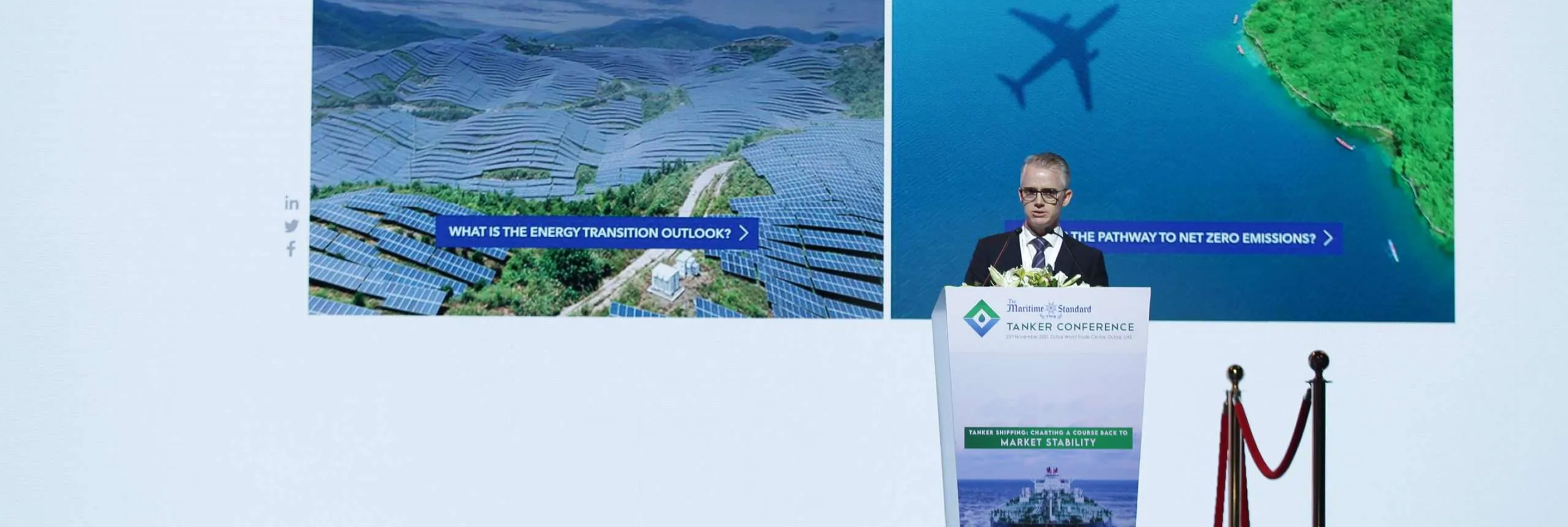
This theme will be central to discussions at the TMS Transportation & Climate Change Conference (TACCC) 2026, where industry leaders will explore practical pathways to accelerate decarbonisation while ensuring resilience and economic stability.